Avoca Systems accepted into Y Combinator (S26)
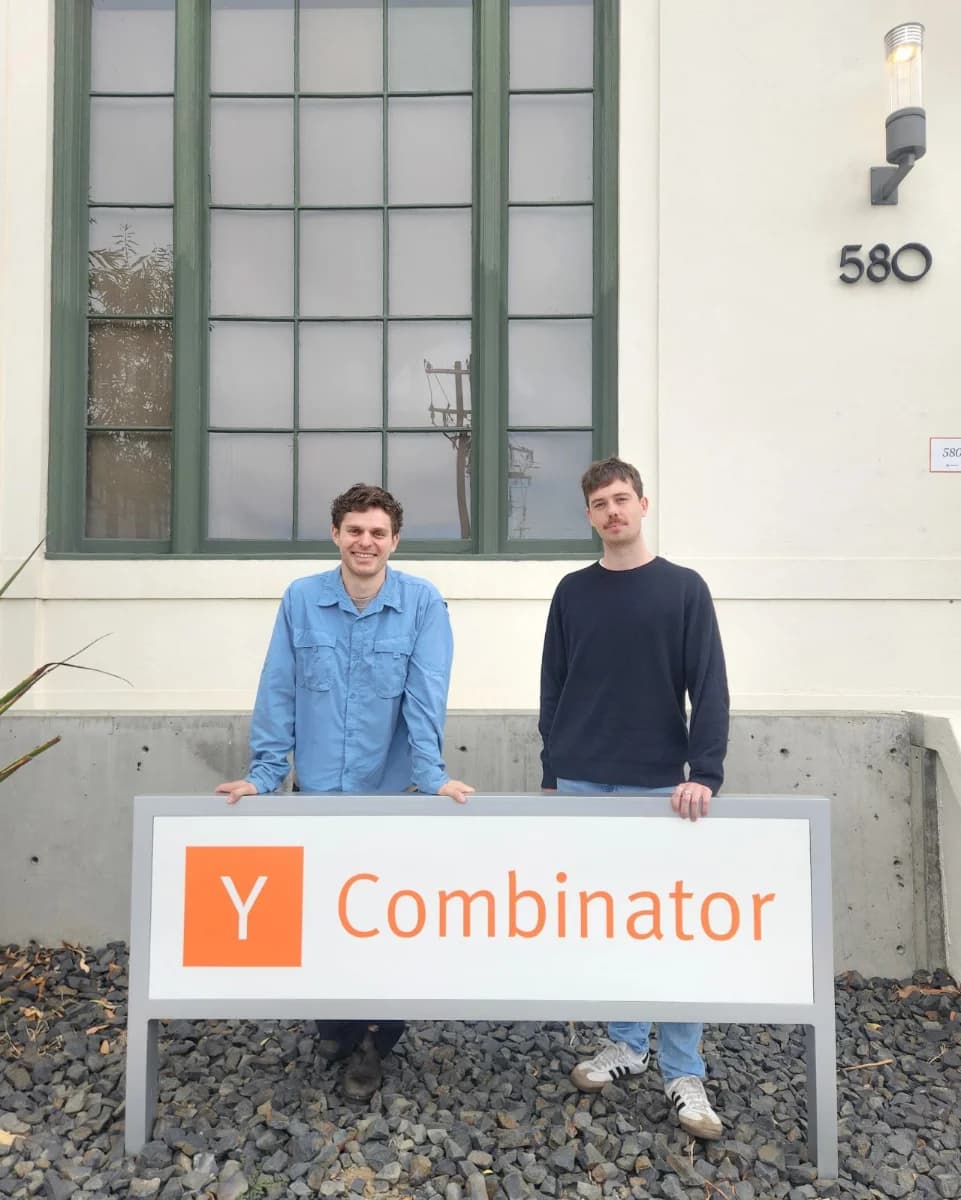
Avoca Systems has been accepted into Y Combinator's Summer 2026 (S26) batch and will spend the next three months building out of San Francisco.
Y Combinator is a startup accelerator founded in 2005 by Paul Graham, Jessica Livingston, Robert Morris and Trevor Blackwell. It has backed more than 5,000 companies since, among them Airbnb, Stripe, Dropbox, DoorDash, Coinbase, Reddit, Twitch and Instacart, worth over $600 billion between them.
Four batches run each year. Each one lasts three months, in person, in San Francisco, and puts founders in weekly office hours with YC partners and small group dinners with the rest of the cohort. YC invests $500,000 per company at the start of the program and the whole thing ends with Demo Day on the 10th September, when founders pitch a room full of investors.
YC receives more than 10,000 applications per batch and takes around one percent. Harvard, for comparison, admits about 3.6 percent of undergraduate applicants.
Before each batch, Y Combinator publishes a Request for Startups (RFS), a public list of the categories its partners want to see built. The Summer 2026 edition ran to 15 entries and was released in April, covering everything from space manufacturing to inference chips. Investors and founders read it as a signal of where some of Silicon Valley's most influential investors expect the next wave of growth to come from.
Avoca sits within two of these categories.
The first, AI-Native Service Companies, was written by YC partner Gustaf Alströmer. He argues that organisations spend many times more on services than they do on software, and that most of those services have already been outsourced at least once. Replacing an outsourced service with an AI-native one, on his reading, is a structurally easier sale than persuading a business to tear out software it depends on daily. Alströmer named four categories YC is most interested in: insurance brokerage, accounting, tax and audit, compliance, and healthcare administration.
The second, SaaS Challengers, was written by Jared Friedman, who notes that AI has cut the cost of producing software by 10 to 100 times. The moats that protected incumbent vendors for two decades have narrowed accordingly, and Friedman expects small teams to take entrenched systems apart one workflow at a time.
The AI-powered radiology scheduling and communications engine Avoca is building falls into both.
About Avoca Systems
Avoca is the AI-powered operating system for radiology networks. It integrates with a radiology network's existing systems and operational knowledge to automate calls, online scheduling, faxes, e-referrals and patient communications, from referral through to results and follow-up. Unlike generic scheduling tools, Avoca understands the clinical, operational and resource constraints behind every radiology booking, helping providers capture more demand, reduce administrative work and fill more scan capacity.
Avoca was founded by Max Shand and Cam Mercer-Butcher. Max co-founded Serenade and was the first employee at Afterpay, later acquired by Block. Cam was a principal engineer at Honey Insurance and at Macquarie Bank, where he built the bank's robo-advice platform and its automated claims processing.